

Indian Head Cent (1859-1909)
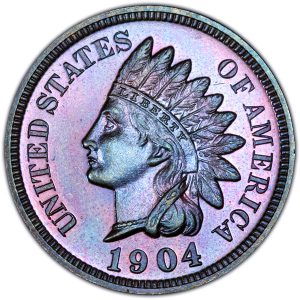
Obverse (Front) Design
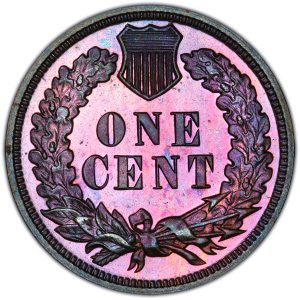
Reverse (Back) Design
Coin Specifications
Date Range
Denomination
Designer / Engraver
Mints
Composition
Precious Metal Content
Weight
Diameter
Edge
Mintage
History & Background
The Indian Head Cent replaced the Flying Eagle cent in 1859. It was designed by James B. Longacre and shows an allegory of Liberty wearing a Native American headdress.
The first coins were made from a copper-nickel alloy and were heavier. In 1864 the Mint changed the cent to a lighter bronze alloy. The Indian Head Cent was struck until 1909, with the San Francisco mint making coins in 1908 and 1909.
The 1877 cent had a very low mintage and is the best-known key date. The 1909-S is another well-known key date.
Collecting Tips
- The 1877 and 1909-S are key dates; buy certified coins.
- Look at the feathers in the headdress and the diamonds on the ribbon for sharpness.
- Bronze cents often tone from red to brown, and color affects value.
Photographs by Grade
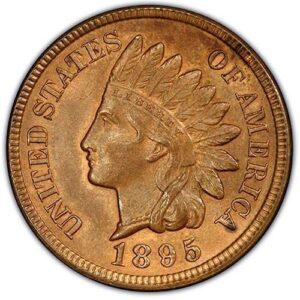
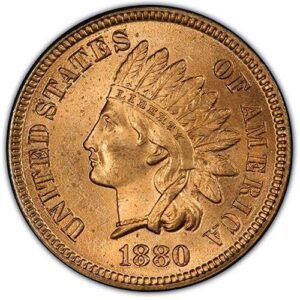
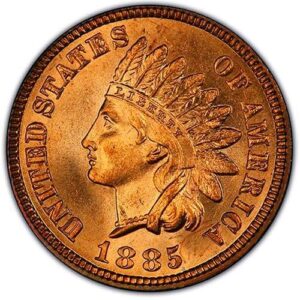
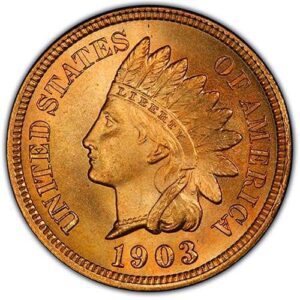
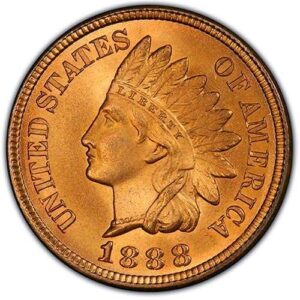
Indian Head Cent (1859-1909) (1859–1909) — Photographs by Grade
MS63 RB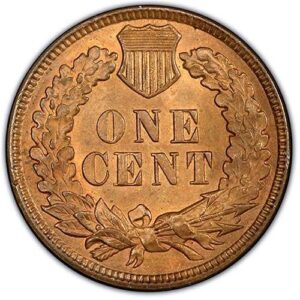 MS64 RB
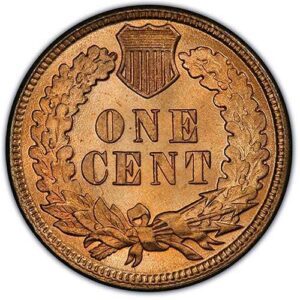 MS65 RB
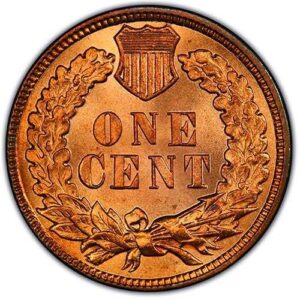 MS65 RD
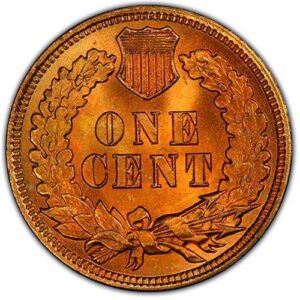 MS66 RD
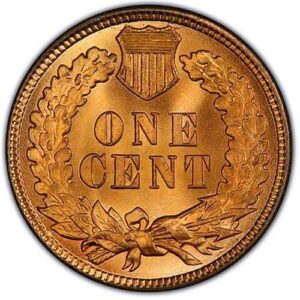
Frequently Asked Questions about the Indian Head Cent (1859-1909)
Why do collectors talk about Red and Brown?
Bronze cents change color with age. Red (RD), red-brown (RB) and brown (BN) describe how much original color remains.
What is the key date?
The 1877 is the best known, with a low mintage.
When did the cent change from copper-nickel to bronze?
In 1864.
More Half-Cents and Cents

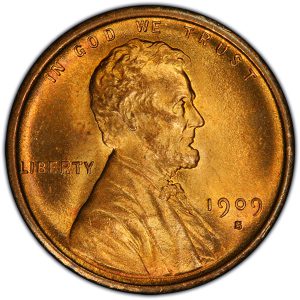
Lincoln Cent, Wheat Reverse (1909-1958)
1909–1958 · 1 Cent · 95% copper, 5% tin and zinc (1943: zinc-coated steel; 1944–1946: recycled shell-case brass)
The Lincoln Wheat Cent, first struck in 1909, was the first United States circulating coin to show a real person and features wheat ears…
Buy and sell gold, silver and platinum with Marcus Metals
See live buy and sell prices on bullion bars and coins, or get a quote for your own gold and silver.