Lincoln Cent, Wheat Reverse (1909-1958)
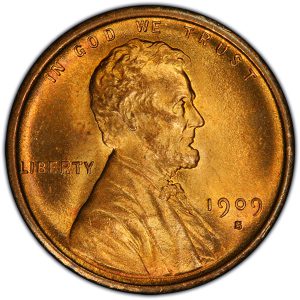
Obverse (Front) Design
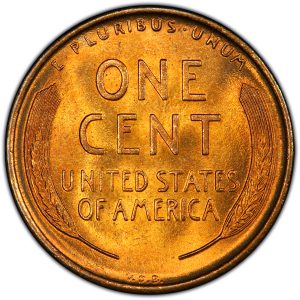
Reverse (Back) Design
Coin Specifications
Date Range
Denomination
Designer / Engraver
Mints
Composition
Precious Metal Content
Weight
Diameter
Edge
Mintage
History & Background
The Lincoln cent was introduced in 1909 to mark the 100th anniversary of Abraham Lincoln’s birth. It was the first regular United States coin to show a real person. The portrait was designed by sculptor Victor David Brenner.
The first coins carried Brenner’s initials, VDB, on the back. They were removed soon after release, and restored to the obverse in 1918. Because of the short time the initials appeared, the 1909-S VDB is a famous key coin.
During World War II copper was needed for the war effort, so in 1943 cents were made from zinc-coated steel. A few 1943 cents were accidentally made on copper blanks and are valuable. The wheat reverse was replaced in 1959 by the Lincoln Memorial design.
Collecting Tips
- A 1943 cent that is not magnetic may be a rare copper error; test with a magnet and ask an expert.
- The 1909-S VDB and 1914-D are key dates; buy certified coins.
- Red coins (RD) bring higher prices than brown ones.
Photographs by Grade
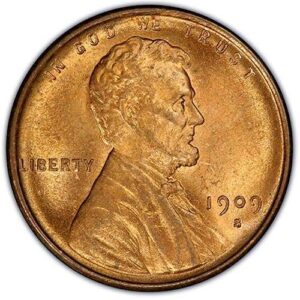
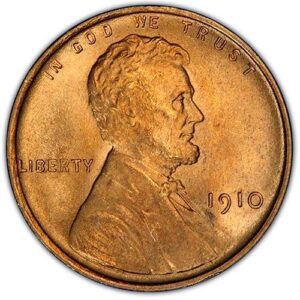
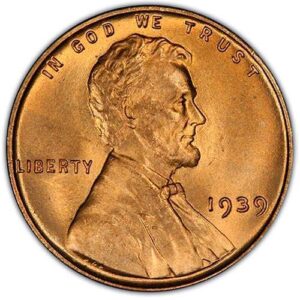
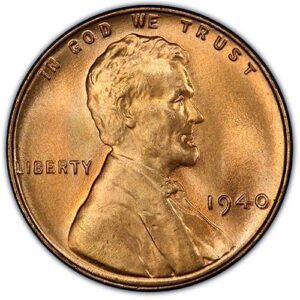
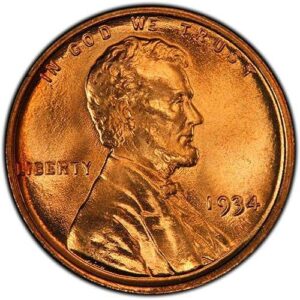
Lincoln Cent, Wheat Reverse (1909-1958) (1909–1958) — Photographs by Grade
MS64 RD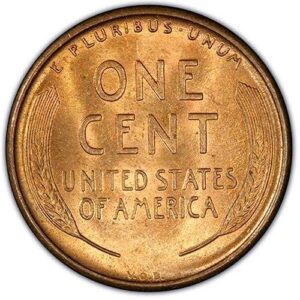 MS65 RD
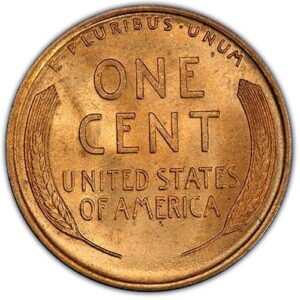 MS66 RD
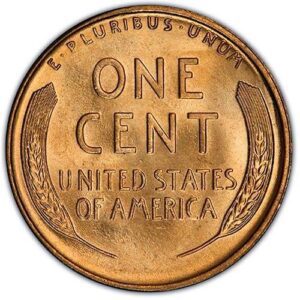 MS67 RD
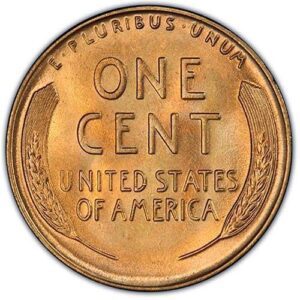 MS68 RD
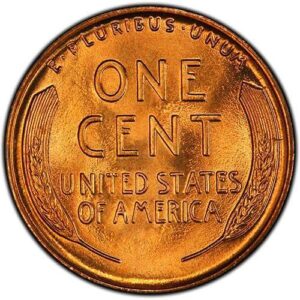
Frequently Asked Questions about the Lincoln Cent, Wheat Reverse (1909-1958)
Why do some 1943 cents stick to a magnet?
They are zinc-coated steel. A 1943 cent that does not stick may be a rare copper error.
What does VDB mean?
The initials of designer Victor David Brenner, shown on the 1909 reverse and later moved to the obverse.
When did the wheat reverse end?
In 1958. The Lincoln Memorial reverse replaced it in 1959.
More Half-Cents and Cents

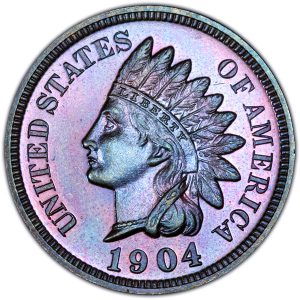
Indian Head Cent (1859-1909)
1859–1909 · 1 Cent · 1859–1864: 88% copper, 12% nickel. 1864–1909: bronze (95% copper, 5% tin and zinc)
The Indian Head Cent, struck 1859 to 1909, is a small copper-based coin that shows Liberty wearing a Native American headdress.
Buy and sell gold, silver and platinum with Marcus Metals
See live buy and sell prices on bullion bars and coins, or get a quote for your own gold and silver.